DOWNLOAD: Q1 fundraising continues at a snail’s pace
VC firms worldwide collected $21bn in the first quarter, the same amount they raised in Q1 2025, in a prelude to what may turn ...
Filtering by: Intelligence Community Operations
- JOHCM Global Opportunities versus GQG Partners Global Equity: Head-to-Head FSA compares GQG Partners Global Equity fund with JOHCM Global Opportunities fund in a head-to-head. FSA ...
- Trade finance is booming across Asia. But SMEs and micro enterprises still struggle for attention, and complex rules hold back progress. Asian demand for trade finance is expected ...
- “Moisture-wicking” and “temperature-regulating” are characteristics often touted by bedding brands, but I find that the best eucalyptus sheets actually deliver on these promises. W...
- Students fabricate randy robo-grouse whose strut could save birds at Jackson Hole Airport WyoFile Elon-Headed Robot Dog Spotted In San Francisco SFist What is “America’s tortured b...
- If you're interested in exploring more stocks under $10 get an edge over other traders with Benzinga Pro while we're currently offering a 14-day trial. Investing in stocks under $1...
- Property-Focused Real Estate Investment Trusts Are Proving Resilient Despite so much disruption in 2026, REITs have remained a surprisingly positive investment By Brian Pascus Apri...
- Joint Statement April 9, 2026 China: Authorities Must Release Arbitrarily Detained Human Rights Lawyer Yu Wensheng at the End of His Sentence and Ensure His Full Freedom Human righ...
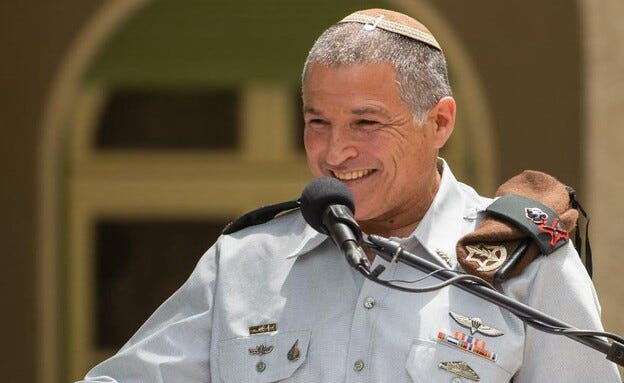
- The Decline and Fall of Shin Bet Israel’s premier counterterror force has become an accomplice to West Bank settler crimes In 1881, members of a Russian revolutionary socialist org...
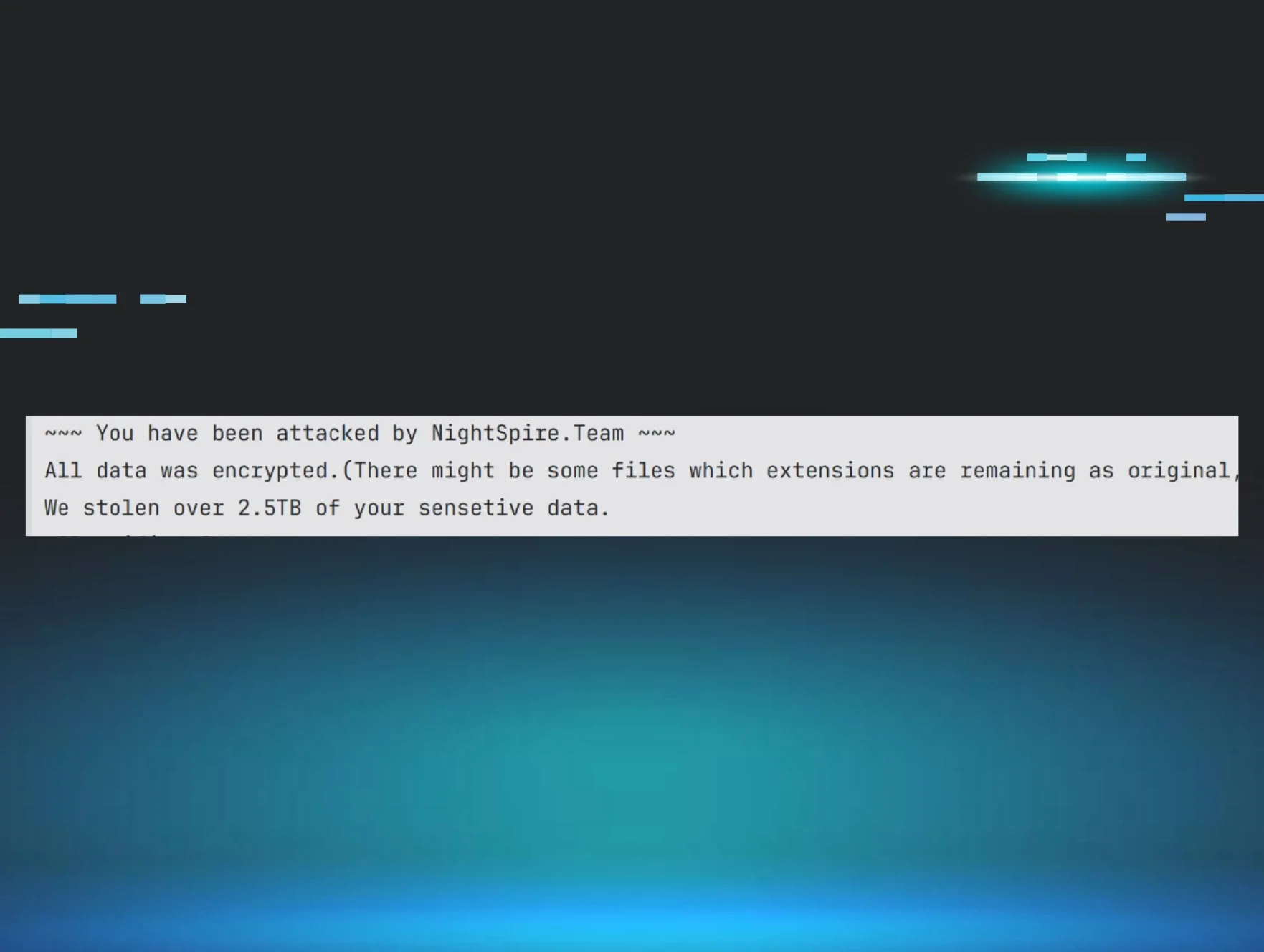
- Our industry has a ransomware actor categorization problem. News articles will frequently feature splashy headlines like “Akira ransomware group targets critical infrastructure.” H...
- By Jeannette Jarvis, Chief Business Officer This International Women’s Day, I’m reflecting on a theme that resonates deeply: Give to Gain. It’s not just a slogan; it’s a strategy f...
- Anthropic’s Glasswing initiative raises questions for US cyber operations Intelligence officials and industry are weighing how Claude Mythos Preview could reshape hacking and cyber...
- The worst thing you can do after falling victim to fraud is let your guard down. Online scammers only care about one thing: making money, so when new opportunities arise to do just...
- For the latest discoveries in cyber research for the week of 30th March, please download our Threat Intelligence Bulletin. TOP ATTACKS AND BREACHES - The European Commission, the E...
- Medical texts from ancient Mesopotamia provide prescriptions and practices for curing all manner of ailments, wounds, and diseases. There was one malady, however, which had no cure...
- Last week, at Acker’s annual La Paulée Auction, a world record was smashed. A single 750mL bottle of 1945 Domaine de la Romanée-Conti sold for $812,500—nearly doubling the previous...
- Looking for a movie you can sing and dance to while relaxing at home this weekend? Maybe you’re feeling the need to grab your favorite hairbrush and lip-sync to a classic record? F...
- U.S. President Donald Trump said Sunday the U.S. Navy would swiftly begin a blockade of ships entering or leaving the strategic Strait of Hormuz, after U.S.-Iran ceasefire talks in...
- SEC Announces Enforcement Results for Fiscal Year 2025 Washington D.C., April 7, 2026 — The Securities and Exchange Commission today announced enforcement results for the fiscal ye...
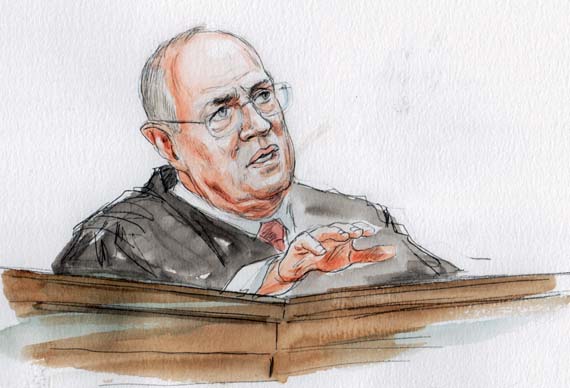
- Law, memoir, and the mystery of Justice Anthony Kennedy’s writing The Supreme Court justice memoir, so lucrative for its authors, tends to be a less than illuminating genre. Justic...
- We may earn revenue from the products available on this page and participate in affiliate programs. Learn more › Your gas-powered yard tools have served you well. You’ll always hav...
- This is Part II in a series. You can read Part I here. Six years ago, Josh’s wife, Amy, died unexpectedly, leaving him a widowed father to an 18-month-old. To cope with the loss, J...
- Last week, the actress Elle Fanning arrived in New York for the première of “Margo’s Got Money Troubles”—a black comedy brightened by its colorfully tacky Orange County setting and...
- Hungary’s much-watched national election—a competition between Trump and Putin-aligned authoritarian Prime Minister Viktor Orbán and centrist opposition leader Peter Magyar—has end...
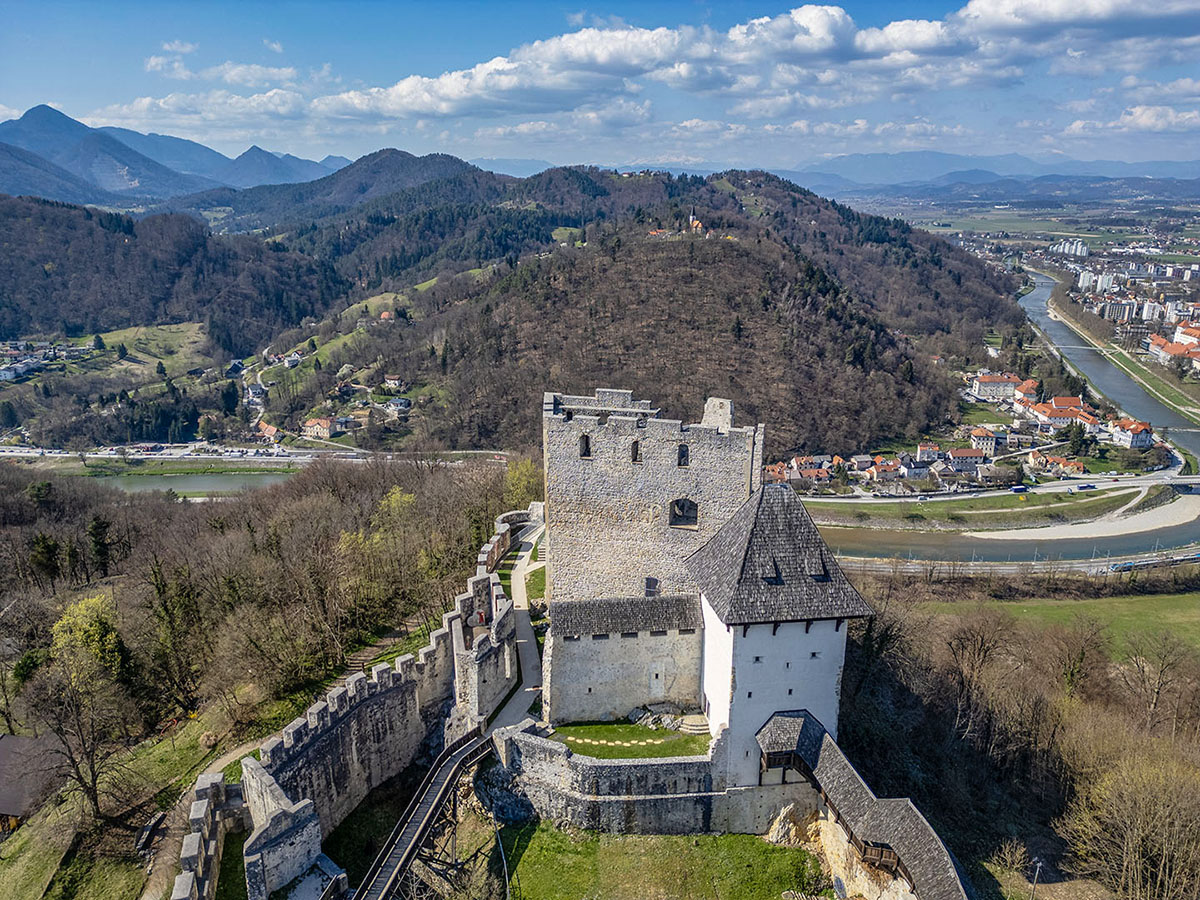
- A luxury Slovenia itinerary has been on our radar for a long time – from the picturesque capital city of Ljubljana to Lake Bled and a whole host of hidden gems scattered across the...
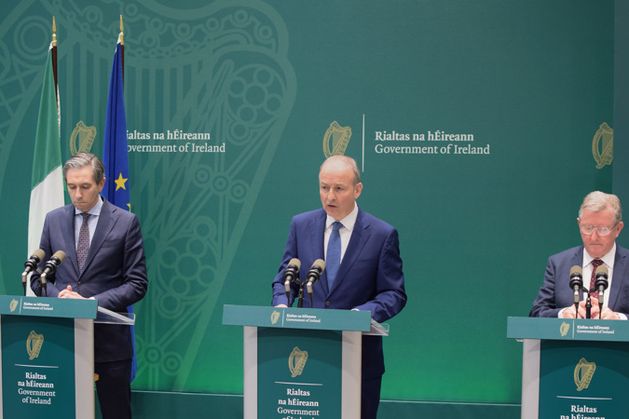
- Excise duty cut further and carbon tax rise delayed in €500m of concessions to fuel protesters; Blockades stood down; Sinn Féin to bring confidence motionAll blockades have been lifted overnightProtesters did not resist the move to free up the country’s main throughfareExclusive poll shows people blame the government for week of chaos Emergency meeting of Cabinet called as fuel shortage worsensKey updatesMary Regan: Government concedes at eleventh hour to quell a political crisis, but what happens when the money runs out?Transport scheme to cover hauliers, certain heavy vehicles and passenger operatorsLISTEN: Indo Daily podcast special on fuel protestsWhitegate blockade was stood down over fears of far-right infiltration'Up to ten days before normal fuel supplies restored'Sinn Féin to bring motion of no confidence against the GovernmentRevealed: New poll shows what the public really think of fuel protestsHow fake X accounts promoting Iranian regime tried to influence Irish opinion using posts by Kneecap and Sinn FéinBehind the barricades: how Ireland’s week of fuel protest chaos unfoldedIn pictures: Gardaí clear O'Connell Street blockade in 3.30am operationAlan CaulfieldBREAKING: Government to cut excise duty with Carbon Tax increase deferred to Budget DayThe Government will cut excise duty on petrol and diesel by 10 cents with a further 2.4 cent reduction on green diesel.The measures will take affect from midnight on Tuesday subject to approval by the Oireachtas.The Carbon Tax increase, due to come into effect next month, will now be deferred to Budget day in October, in a major concession to the demands of protesters.A fuel subsidy support scheme is also to be introduced for the farming, haulier and transport sectors.The Government had already committed to an earlier €250m package of fuel tax cuts last month in response to the war in the Gulf.Speaking after a special meeting of Cabinet, Taoiseach Micheál Martin said the Government has agreed to extend temporary measures to reduce excise duty to the end of July, postpone increase in carbon tax from May until the budget in October, enhance transport support schemes and introduce a fuel subsidy support scheme for farming and fisheries.He said the Government has continued to engage with representative bodies since outbreak of war in Middle East.Mr Martin said protests went "beyond simply expressing their point" and "nobody has a right to blockade our country"."No self-appointed group has a right to prevent emergency services from operating normally," he said.He said no one should deny the fundamental right of goods and services, adding that the targeting of ports and depots threatened supplies.The blockade of Whitegate resulted in the "imminent danger of oil intended for Ireland being redirected and sold"."Higher fuel scarcity and higher fuel prices would actually have been the inevitable outcome of these blockade," he said.Mr Martin thanked gardaí and the Defence Forces for their actions, adding that at "all stages" the right to protest was respected.The package announced today is worth €505m.If blockades reoccur, particularly at Whitegate, "the full rigours of the law will be applied," said Mr Martin.He said those engaged in blockages - "whether they want to accept this or not" - were threatening livelihoods due to the impact on production, processing and the operation of ports.Mr Martin said it was damaging the Irish capacity to withstand the oil crisis."We accept the right to protest... but it can't be at the expense of the fundamental rights of people... or livelihoods and jobs."He said those engaged in blockages - "whether they want to accept this or not" - were threatening livelihoods due to the impact on production, processing and the operation of ports.Mr Martin said it was damaging the Irish capacity to withstand the oil crisis."We accept the right to protest... but it can't be at the expense of the fundamental rights of people... or livelihoods and jobs."Addressing the protests, Tánaiste Simon Harris said nobody has the right to dictate "who gets free passage and who does not", adding that protests have been "damaging" to ordinary people going about their daily lives.He described the blockades as "illegal" and as having caused harm, adding that while the Government has introduced measures to support people it cannot entirely shield from the impacts of an ongoing war.Cónal Thomas and Maeve McTaggartAmy BlaneyFive arrested today during protest in Cork city over fuel pricesFive people were arrested today during a protest in Cork City over the rising cost of fuel.Shortly after 11am gardaí responded to a public gathering at Grand Parade in Cork City."The gathering, involving a group of individuals, quickly grew in size and was joined by several HGVs and tractors, which moved slowly through the city centre for a time," a garda spokesperson."To ensure public safety, uniformed Gardaí and members of the Public Order Unit engaged with the drivers, who agreed to disperse and left the area. Directions were also issued under the Public Order Act to a number of individuals instructing them to leave the roadway, some failed to comply."Five people, four males (two in their 50s, one in his 40s and one in his 30s) and one female in her 40s, were arrested under the Criminal Justice (Public Order) Act 1994."They were taken to a Garda station in Cork City and later released, having been charged to appear before Cork District Court in the coming weeks."The remainder of the crowd dispersed peacefully.No injuries were reported.No injuries were reported.Amy BlaneyMary Regan: Government concedes at eleventh hour to quell a political crisis, but what happens when the money runs out?Amy BlaneyTransport scheme to cover hauliers, certain heavy vehicles and passenger operatorsMinister of State Seán Canney said the new transport support scheme will "cover licensed hauliers, certain non-licensed heavy vehicles, and some passenger operators. A separate scheme is being developed for Local Link and school transport.”The support scheme will cover the months of March, April and May. The scheme is expected to cost approximately €40 million.Deputy Canney said: “Hauliers, farmers, school bus contractors, coach hire companies and agricultural contractors are feeling a heavy impact. Last month’s €250 million package, including fuel excise cuts and a diesel rebate, is under ongoing review.”Deputy Canney said: “Hauliers, farmers, school bus contractors, coach hire companies and agricultural contractors are feeling a heavy impact. Last month’s €250 million package, including fuel excise cuts and a diesel rebate, is under ongoing review.”"We are also confirming today that we are postponing the increase in the carbon tax. This is welcome in helping to address the current situation we are in due to the global crisis.“Extending the reduction to fuel excise duty and including the additional 10 cent reduction until the end of July will have a cumulative reduction per litre of 25 cent on petrol, 30 cent on diesel and 5.4 cent on marked gas oil at the pump.”“These measures are about supporting those who are vital to our economy and keeping supply chains moving."Amy BlaneyAmy BlaneyAmy BlaneyThe Irish Road Haulage Association (IRHA President), Ger Hyland, welcomed the supports signed off by Government this afternoon.Supports will be in place for an initial three month period, provided that diesel prices remain over €1.90 per litre at the pumps.“Myself, and our management committee, are unpaid volunteers who have negotiated in good faith with government over the past week," said Mr Hyland."We feel we have delivered the best outcome that was possible for our members and the wider transport community. We feel that this package of supports is fair and balanced and will help to mitigate the worst effects of the rising fuel prices on what is a very hard working industry”"We feel we have delivered the best outcome that was possible for our members and the wider transport community. We feel that this package of supports is fair and balanced and will help to mitigate the worst effects of the rising fuel prices on what is a very hard working industry”Amy BlaneyFarmers to receive 20c/L fuel usage based subsidy during peak field work seasonMinister for Agriculture, Food and the Marine, Martin Heydon has announced a targeted €100 million Fuel Subsidy Support Scheme to assist the farming, fishing, and agricultural contracting sectors.The scheme, which coincides with peak fuel usage for seasonal field work, is designed to combat a sharp rise in the price of marked gas oil (green diesel), which has nearly doubled from €0.97 per litre in February to €1.80 in recent weeks.Details of the Support SchemeThe subsidy will provide approximately 20 cents per litre of support based on verified 2025 fuel consumption.Read more here:Read more here:Amy BlaneyCoalition leaders to face backbench angerWith a Sinn Féin confidence motion in the Government next week, both leaders of Fianna Fáil and Fine Gael will first have to face their backbenchers, who have grown increasingly angry over the Coalition's handling of the fuel crisis.The Fianna Fáil parliamentary party is due to meet at 11am on Monday.No time has yet been set for Fine Gael TDs to meet but it is expected to be held shortly after the Government announces today's package, possibly this evening.One newly-elected Fine Gael TD texts that the week had been "a baptism of fire for many of us" as constituents voice their anger at the rising cost of living.“For many of the newer members of the Parliamentary Party, particularly those of us in rural constituencies, the past week has been a real baptism of fire," the TD said."What’s most frustrating is that this is happening at a time when the State does have resources available. The combination of a poor Garda response on the ground and a delay in putting forward a meaningful and substantial package of supports has turned what was a serious situation into something much more damaging."There needs to be a recognition within Government that this is a watershed moment — how we respond now will define public trust for some time," they said.Cónal ThomasCónal ThomasAmy BlaneyFormer minister warns Ireland has 'totally ignored' gas reserves off westFormer Food Minister Ned O'Keeffe warned that Ireland has "totally ignored" the vast reserves gas off the western and southern seaboards.The former Cork East TD issued the warning as he delivered the oration at the 103rd Liam Lynch commemoration in Newcastle, Co Tipperary.Mr O'Keeffe's remarks came as Ireland faced the biggest fuel crisis for over 50 years.While fuel price protestors ended blockades and protests in Dublin, Whitegate in Cork, Foynes in Limerick and Galway, rolling demonstrations caused major traffic delays nationwide on Sunday.Mr O'Keeffe underlined that Ireland had fuel reserves which were untapped."Our people are under enormous pressure in our economy with the cost of fuel and its threatened scarcity," he said."We have totally ignored our wealth of gas off our west and south west coasts."Mr O'Keeffe said the situation was exacerbated three years ago when exploration and appraisal licenses were refused for key projects including the Barryroe proposal."Common sense, environmental and economic sense, should now drive the current Government to urgently address the current critical situation by reopening the Barryroe file."I am not critical of 'green policy' but no-one has the right to bring us back to the stone age of centuries ago."If we can get sufficient oil and gas off our coast we will not be as dependent on middle-eastern countries ie Iran, Iraq etc."Why are we being over burdened with a green policy that upsets our industry, our farming community who are the backbone of our economy."We should look at the major economies of the world who do not have green policies – US, China, Russia, India. It is time that we are not over burdened with regulation after regulation in this area and the Government should issue licences to oil and gas companies to start drilling/pumping off our shores and the Barryroe well, south Cork is at a very close stage to being ready for pumping."Mr O'Keeffe also staunchly defended Ireland's deep cultural and economic links with the United States."We are very dependent on America – many of our Irish industries are based in the USA – eg Cement Roadstone which has 1,500 employees in USA, Glanbia, Kerry Foods, Smurfit WestRock – huge employers in the USA which actually complement the huge employment by US companies here e.g. Eli Lilly, Pfizer.""In recent times, the USA has been under fire from Irish politicians. Whoever is the President of America is not our problem. They are a democratic country and they have a democratic electoral system.""Prior to our Taoiseach (Micheál Martin) recently travelling to US for St Patrick’s Day, we saw a begrudgery element in the Dáil trying to suggest he should not attend. I have to point out that the Irish industry would be the losers in America if we do have a major quarrel with them (Washington)."The event commemorated General Liam Lynch who was the IRA's Southern Division Commander during the war of Independence and later Chief of Staff of the anti-Treaty forces during the Civil War.The event commemorated General Liam Lynch who was the IRA's Southern Division Commander during the war of Independence and later Chief of Staff of the anti-Treaty forces during the Civil War.This year marks the 103rd anniversary of General Lynch's death - one of the key events that led to the ending of the Civil War.He was shot and killed by Free State forces in the Knockmealdown Mountains in south Tipperary in April 1923.He is buried at the Republic plot in Kilcrumper, Co Cork in accordance with his dying wish that he be laid to rest beside his great friend Cmdt Mick Fitzgerald who died on hunger strike in Cork prison.Ralph RiegelRalph RiegelAlan CaulfieldLatest roads disruption from Transport Infrastructure IrelandM1 J18 - CARLINGFORD Direction bothN4 J16 - BALLAGH and J17 - CULLEEN BEG Direction bothN6 between J08 - ATHLONE and J09 - GARRYCASTLE Direction bothM7 between J07 - KILL and J08 - JOHNSTOWN Direction bothM7 between J16 - PORTLAOISE and J17 - PORTLAOISE Direction bothM7 between J29 - M7/N24 and J30 - M7/N18/M20 Direction bothM8 between J04 URLINGFORD and J10 CAHIR (NORTH) SouthboundM8 between J09 CASHEL (south) and J07 CASHEL NorthboundM9 between J03 ATHY and J02 KILCULLEN NorthboundM9 between J03 ATHY and J04 CARLOW (North) SouthboundN18 between J02 - DOCK ROAD and J01 - ROSSBRIEN SouthboundM18 J11 - DROMOLAND Direction bothRory TevlinLabour Party will also back no confidence motion against the GovernmentA spokesperson for the party, which has 11 TDs, said Labour will support the motion, but may amend it once it sees the wording.The Green Party, which has just one TD in party leader Roderic O'Gorman, will decide its position once it sees the full text of Sinn Féin's motion, but a spokesperson said the government has handled the crisis "appallingly".“The Green Party will examine the full text of the motion before the party decides its position on it," they said."The government has handled this crisis appallingly over the last week, and let down the people who rely on the State to ensure they can go about their daily business."Maeve McTaggartAlan CaulfieldProtests bring Cork city centre and several towns to a standstill on SundayMultiple fuel price protests brought traffic to a standstill across parts of Ireland, on Sunday.A march in Cork city centre attracted an estimated 2,000-plus people while protests involving trucks and farm machinery across Munster effectively closed some roads in specific directions.The demonstrations took place at lunchtime in Cork, Bandon, Mitchelstown and other Cork county towns and followed the ending of blockades in Dublin, Whitegate, Foynes and Galway.Other towns across Ireland also witnessed protests over fuel prices.Major delays were reported between Bandon and Inishannon for traffic heading to Cork city as protests took place.Motorists heading easwards were urged to avoid the area until the protest ends.Traffic in Mitchelstown was able to use the bypass through the protest was heading from the town's centre towards the main bypass junction.Ralph RiegelAlan CaulfieldProtesters lift blockade of Rosslare EuroportProtesters blockading Rosslare Europort have begun to leave.It brings to an end the last of the protests at ports and refineries around the country.However, several main roads and parts of the M50 remain blocked this afternoon.Alan CaulfieldOrganiser criticises garda 'overkill' and calls for new protestProtest organiser Christopher Duffy said he was disappointeed and angry at the clearance of the protest from O'Connell Street, describing the garda operation as "overkill".“Nobody in the city of Dublin or the country could say our assembly was anything but peaceful," he said this morning."We got absolutely ambushed here last night by what I can only describe as an army (of gardaí)," he said.“At this point, we’re pulling out of O’Connell St because we have been threatened with — I don’t know the law, section 8 on the vehicles — if we don’t get out by a certain time they’re threatening to tow the vehicles on us.“These vehicles are very expensive with automatic transmissions and everything, and if they drag them with the engine not on they could wreck them.“So we have no choice, financially we have to move the vehicles.”He added: “How could a rural TD or any independent go back to their constituency after this and see what was done to the farmers, truckers and builders?”“I don’t know where we move on from here," he added.“I know we came united, and we leave united.”Asked whether the protests are now over, he said: “I don’t think so.”Later Mr Duffy posted a message on social media that called for a "National day of strike and protest tomorrow Monday 13th of April, they went too far".Christopher Duffy. Photo: PAAlan CaulfieldJunior minister defends Government's handling of fuel crisisMinister of State for Agriculture Timmy Dooley has said he hopes the package of measures to be delivered today at cabinet will alleviate the concerns of hauliers.Speaking on RTÉ Radio 1, Mr Dooley would not reveal any details of the package to be announced but said it will be targeted at contractors, hauliers and heavy diesel users.He also spoke of a lack of coherence amongst protesters."At least the representative bodies that we worked through for the past two days are very clear in what they want, and we will work to the best of our ability with them. The difficulty with some of the protestors and certainly the blockades, the sands seem to shift based on their interaction with media generally, in which I observed, and some of the social media posts are very varied," he said.On excise duty, Mr Dooley said that the State would have sought permission from the European Commission to lower prices."We know that when it comes to excise, it isn't something that the cabinet is just able to make a decision on. You have to get the authority of the European Commission," he said."The President of the European Commission, Ursula von der Leyen, was written to towards the end of last week, and discussions have been ongoing with the Commission, and obviously that's going to take a little bit of time to address, but no decisions have been taken on those measures as of yet."The Minister for State also referenced statements made by protest leader James Geoghan on Prime Time on Thursday, when he claimed he had been invited to discussions that were going to be held in government buildings.He said: "It's not within the Government's control, or my control, to decide who attends a meeting representing a certain group of people."Mr Dooley also defended the Government's ongoing negotiations on the support package following criticism from Sinn Féin and the news that the opposition party will table a motion of no confidence next week.He said: "Of course, Sinn Féin would do that, and that's part of a democratic process."The government will set out very clearly the response that's being worked on, that's being detailed in how best we can meet the needs and expectations of society. Because no government anywhere in the world is going to be able to respond to all of the negative impacts as a result of the war in Iran and the impact that that has had on the supply of goods, the supply of oil and the spiralling cost."Sarah O'MahonyAlan CaulfieldLISTEN:Indo Daily podcast special on fuel protestsHost Kevin Doyle is joined by Irish independent photographer Mark Condren, who was on O'Connell Street as hundreds of gardaí moved in last night. Kevin is also joined by Southern Correspondent Ralph Riegel, who's been at the Whitegate oil refinery protest in recent days, and by political reporter Maeve McTaggart on the ongoing fallout for the Government.Alan CaulfieldWhitegate blockade was stood down over fears of far-right infiltrationA blockade outside Ireland's only oil refinery was abandoned by demonstrators after a dramatic Garda operation amid fears the protest was about to be hijacked by the far right and other elements.The revelation came as Whitegate protest organisers admitted that a demonstration initially comprised of local hauliers, farmers, contractors and even construction officials attracted "other elements" after the dramatic human chain stand-off with Gardaí on Friday.Whitegate blockade organisers said the decision to end the protest after the massive Garda enforcement operation on Saturday was taken in the interests of public safety and local welfare."This was a peaceful protest from day one," one organiser, who asked to be unnamed, explained."We wanted to get out message across that we couldn't survive in business with fuel rates going sky high - and we wanted ordinary Irish people to realise the consequences for them of soaring food prices.""As far as I am concerned, that message was heard loud and clear. This was never about looking for trouble."But there were people who arrived here after Friday who we were afraid did not share our goals."Another organiser, Anthony Kelleher, said they ended the demonstration after it was suggested that some people flocking to the protest were allegedly intent on mischief."This was a peaceful protest... when we heard that (there was a possible threat to local property) then enough was enough."Mr Kelleher said they were "overwhelmed" with the support they received from across Ireland and that the demonstration was all about respect.He insisted protest organisers had tried to liaise positively with Gardaí at all times.However, a number of people who arrived in Whitegate on Friday evening and Saturday were not associated with the original demonstration.Further, there were growing concerns amongst the local protesters that the new arrivals were intent on causing trouble and confronting Gardaí.A number of known far-right agitators arrived in the east Cork village from Friday - and demonstration organisers were uneasy about their intentions.Gardaí secured full access to the Irving Oil refinery at lunchtime on Saturday after an overwhelming show of force.Pepper spray was used on a small number of people who refused to comply with Garda instructions.Three people were arrested under public order legislation.Full access to the refinery was secured by Gardaí and by Saturday afternoon fleets of tankers had commenced accepting fuel loads.A large Garda presence remained in Whitegate but there were no other attempts to interfere with the movement of fuel tankers.Over 100 Garda - including several public order units from across Ireland - deployed in Whitegate where attempts to end the blockade on Friday failed after demonstrators placed a human chain across the village's main street.A direction to the crowd was read out by a senior Garda and public order units then pushed demonstrators back from the route to be used by fuel tankers.One driver who refused to comply with Garda directions was forcibly removed from his cab.Two other drivers agreed to hand over the keys of their vehicles to Gardaí so they could be moved them without damage.A water cannon used to deal with public disorder was available to Gardaí though it was not deployed.The Defence Forces deployed a heavy duty recovery vehicle but again it was not required.Attempts to use the so-called "hot route" secured to the refinery by Gardaí to access diesel for emergency services last Friday was frustrated by protestors creating a human chain blockade in the village.This prevented an oil lorry from passing through Garda lines and it was stranded in the middle of the village for several hours.At one point a protestor holding a Tricolour climbed on top of the tanker.Protestors first blocked the entrance to the Irving Oil facility on Wednesday.The major standoff erupted at 2.30pm on Friday after protestors outside the Cork refinery had allowed a limited number of tankers to refill at the facility in support of emergency services.A group of around 300 then formed a human chain across the Main Street of Whitegate village to block a third tanker from reaching the refinery access route which had been secured by Gardaí.Facing the protestors was a line of 50 uniformed Gardai who were metres in front of the stranded tanker.The human chain was mounted minutes after it was confirmed that protestor representatives were not allowed into negotiations with Government officials.Major Garda public order units withdrew on Friday evening and protestors moved back to their initial machinery blockade outside the refinery which allowed the village’s Main Street to re-open.However, a massive Garda public order operation began on Saturday morning to re-open access to the refinery - with over 100 officers deployed and all routes into Whitegate being monitored.Garda reinforcements were brought by bus to east Cork from all over Munster.Taoiseach Michael Martin slated the blockade of the refinery as ‘an outage’ and ‘national sabotage.’Ralph RiegelAlan Caulfield'Up to ten days before normal fuel supplies restored'Normal fuel supplies may not be restored for up to ten days despite the pressure on depots beginning to ease in some parts of the country, the CEO of Fuels Ireland Kevin McPartlan has said.While reopening infrastructure is a "significant step forward", he said the recovery will still take place at a "measured pace" and will not be immediate.Several hundred petrol stations are still without fuel, he said."What we are dealing with is a logistics and distribution challenge caused by days of disruption to critical infrastructure and the surrounding road network," he said."We predict it could take up to ten days to restore the full national network of supply."He added: "Fuel distribution operates as a national network. It cannot simply be switched back on at full capacity the moment access improves."Stocks have to be rebuilt, delivery schedules reset, routes normalised and supply patterns across the country rebalanced. That takes time."A number of practical factors are now slowing the pace of recovery. Drivers’ hours have already been heavily consumed by delays, diversions, aborted collections and long waiting times over recent days."Driver confidence and safety have also been affected by uncertain access conditions and disruption on the ground. Those are real operational constraints, and they cannot be resolved overnight."Mr McPartlan said road disruption outside terminals also continues to affect productivity."A truck delayed on approach, on exit or on diversion is still burning legal driver hours and still not delivering fuel," he said."It is also important to recognise that national logistics cannot be reconfigured overnight around one location or one corridor. If parts of the network remain constrained, routes become longer, vehicle utilisation falls and national recovery slows."The industry is making every effort to maximise deliveries safely and lawfully, but recovery will happen in stages, not all at once."The public should expect improvement over days, rather than an immediate return to normality within hours. The priority now is to restore a reliable national distribution as quickly and safely as possible."Maeve McTaggart and Sarah O'Mahony
- How Sam Levinson Brought Back ‘Euphoria’ With Season 3: “Evolve or Die” The Emmy-nominated creator and his longtime cinematographer, Marcell Rév, break down the season three premie...
- Menaced by an aggressive Russia and no longer able to count on the United States for its security, the European Union is scrambling to chart a way forward. For decades, Europe assu...
- Efter 16 års styre erkänner sig Viktor Orbán besegrad i parlamentsvalet i Ungern. Utmanaren Péter Magyar från partiet Tisza ser ut att bli landets nya premiärminister. Här är fem f...
- Former Royal Ballet Principal Deborah Bull Carries Her Ballet Career Into Leadership With the UK Parliament Historically, more male than female dancers have moved into leadership r...
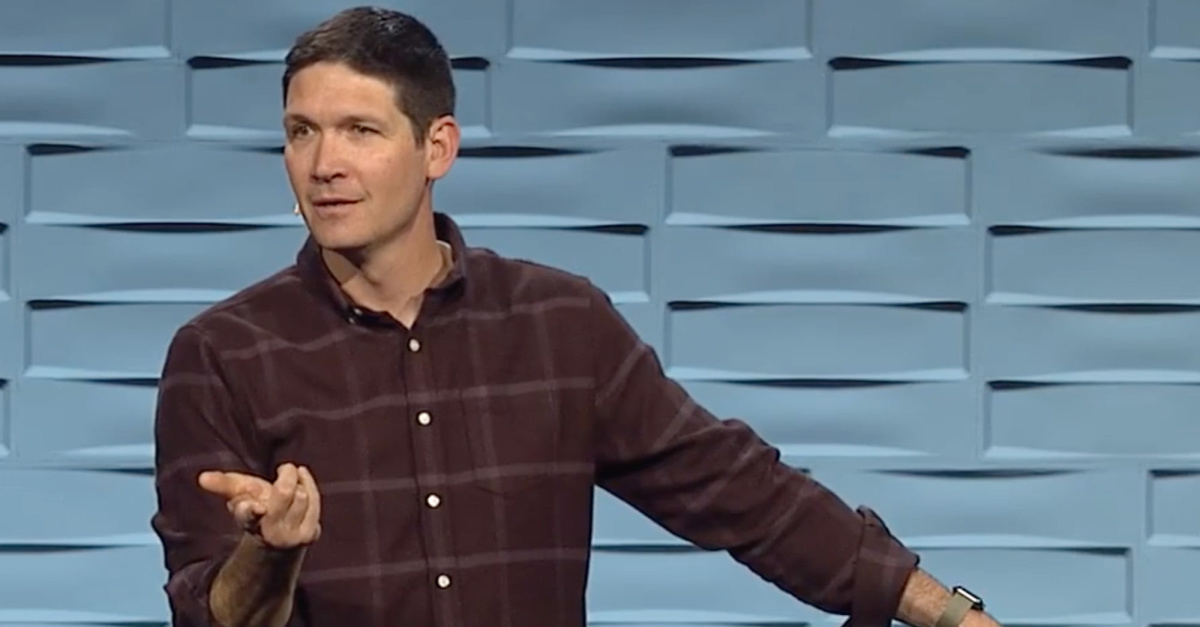
- Matt Chandler Sees Massive Movement of God in U.S., Driven by the ‘Death of Secularism’ Log in to your existing account or sign up today! Log in to your existing account or sign up...
- Decoding the Mystery of Intuition: AI Prophet Margaret Boden on the Three Elements of Creativity By Maria Popova “The Analytical Engine has no pretensions whatever to originate any...
- By providing your information, you agree to our Terms of Use and our Privacy Policy. We use vendors that may also process your information to help provide our services. The adminis...